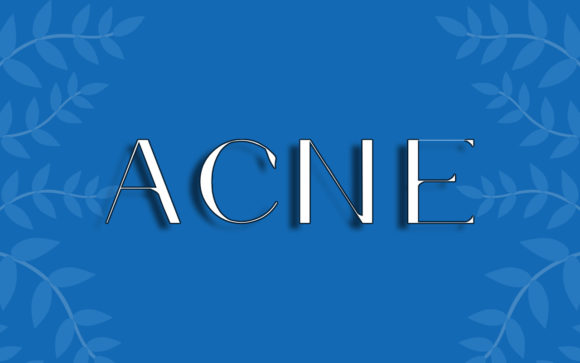
Acne: A Display Font That Brings Creative Ideas to Life
There's a particular kind of typography that doesn't just sit quietly on a page—it steps forward, introduces itself, and becomes part of the conversation. That's exactly what Acne does. Designed by Viktor Hammarberg, this clean and adaptable display font has earned a reputation among designers, marketers, and creative professionals for one simple reason: it works beautifully across a remarkable range of projects without ever feeling generic or overused.
If you've been searching for a typeface that balances personality with versatility, Acne deserves a closer look. Its well-balanced characters carry a modern sensibility that feels confident without being aggressive, stylish without being trendy in a way that will date quickly. Whether you're building a brand from scratch, refreshing your visual identity, or working on a one-off creative project, this font has a way of making everything it touches feel considered and intentional.
What Makes Acne Stand Out in a Crowded Font Market
Let's be honest—the world of typography is overwhelming. Thousands of display fonts compete for attention, and many of them promise versatility while delivering something far more limited. Acne distinguishes itself through a combination of clean geometry and subtle warmth. The letterforms are well-proportioned, with enough character to create visual interest but enough restraint to avoid stealing focus from your actual message.
What does that mean in practical terms? It means you can set a headline in Acne and trust that it will command attention without clashing with your body copy, your imagery, or your overall design language. The font carries a modern typography sensibility—think of it as the kind of typeface that looks equally at home on a minimalist Scandinavian brand identity as it does on a bold packaging design for a streetwear label.
The characters themselves have been carefully crafted with attention to spacing, weight distribution, and optical balance. This isn't a font where certain letters feel awkward or where kerning issues create distracting gaps. Viktor Hammarberg clearly spent time refining the details, and that craftsmanship shows every time you set type with it.
Where Acne Really Shines: Real-World Applications
Understanding what a font looks like is one thing. Understanding how it performs in actual projects is where the real value lives. Here's where Acne tends to deliver the strongest results.
Logo design and brand identity are perhaps the most natural fits. When you're developing a visual identity, you need a typeface that can anchor the entire system. Acne works as a primary logotype for brands that want to project modernity and clarity. It also pairs well with both serif fonts and sans serif fonts for supporting text, giving you flexibility as your brand guidelines evolve.
Packaging design is another area where this font excels. Whether you're designing labels for a craft beverage, boxes for a skincare line, or sleeves for artisan food products, Acne brings a level of sophistication that helps products stand out on shelves. The clean letterforms reproduce well at various sizes, which matters enormously when you're moving between large display packaging and small regulatory text.
Social media graphics demand fonts that are instantly readable at small sizes and on screens of varying quality. Acne handles this challenge gracefully. Its balanced proportions mean that Instagram posts, Facebook ads, Pinterest pins, and LinkedIn graphics all look polished. For content creators and social media managers who produce graphics regularly, having a reliable display font in your toolkit saves time and maintains visual consistency across platforms.
Website headers and digital products benefit from Acne's screen-friendly design. Web design requires fonts that load cleanly, render sharply, and maintain their personality across browsers and devices. As a creative font that was built with adaptability in mind, Acne holds up well in digital environments—from landing pages to e-commerce sites to online course platforms.
Print materials and editorial design round out its strengths. Think magazine covers, event posters, business cards, brochures, and invitations. Acne brings enough visual weight to headline applications while maintaining the refinement needed for professional print work. Wedding invitations, corporate event materials, and editorial layouts all benefit from a font that can shift between playful and sophisticated depending on context.
How the Right Display Font Improves Your Brand Communication
Typography is one of the most underestimated tools in visual communication. Many small business owners and entrepreneurs invest heavily in photography, color palettes, and copywriting while treating font selection as an afterthought. That's a missed opportunity, because your typeface choices directly influence how audiences perceive your brand.
A premium font like Acne contributes to brand recognition in ways that compound over time. When customers see consistent typography across your website, packaging, social media, and print materials, they begin to associate that visual language with your business. Acne's distinctive but not distracting character makes it well-suited for this kind of repeated exposure—people notice it without feeling fatigued by it.
Readability is another critical factor. A beautiful font that people struggle to read is a liability, not an asset. Acne strikes a balance between visual appeal and legibility that many display fonts miss. The letter spacing is generous enough to prevent crowding, the character shapes are distinct enough to avoid confusion between similar letters, and the overall rhythm of the text feels natural to the eye.
Then there's the matter of professional presentation. Whether you're pitching to investors, selling products online, or building a personal brand as a content creator, the quality of your visual materials sends a message about the quality of your work. Using a well-designed commercial font signals that you care about craft and detail—qualities that resonate with audiences across industries.
Practical Tips for Getting the Most from Acne
Choosing a great font is only the first step. Using it effectively requires some thought about your specific project goals and audience.
Start by reviewing all available font styles. Acne typically comes with multiple weights and variations. Before you begin designing, take time to explore the full range. You might discover that a lighter weight works better for your body text while a bolder weight anchors your headlines. Having multiple options within the same typeface family gives you flexibility without adding visual complexity.
Test font pairings before committing. Acne pairs beautifully with a wide range of complementary typefaces. Try it alongside a classic serif font for editorial projects, or match it with a clean sans serif for a more streamlined look. For projects that need a personal touch, pairing Acne with a script font or handwritten font for accent text can create an appealing contrast. The key is to let Acne handle the primary display role while supporting typefaces fill secondary functions.
Consider your medium carefully. A font that looks stunning on a 27-inch monitor might behave differently on a mobile screen or in a printed brochure. Test Acne at the actual sizes and in the actual formats where your audience will encounter it. This is especially important for packaging design, where text often needs to work at very small sizes for ingredient lists and regulatory information.
Match typography to project goals. Ask yourself what you want the font to communicate. If your brand values clarity and modernity, Acne's clean geometry reinforces that message. If your project calls for warmth and approachability, explore how the font looks with generous leading and softer color palettes. Typography should serve the story you're telling, not exist independently of it.
Review licensing terms before commercial use. If you're planning to use Acne for client work, merchandise, or commercial products, make sure you understand the licensing agreement. Most premium fonts offer different license tiers depending on usage—desktop, web, app, and server licenses may be available separately. Getting this right upfront protects you legally and ensures you can use the font confidently across all your design assets.
Why Acne Belongs in Your Design Toolkit
Every designer, marketer, and creative professional benefits from having a small collection of reliable, versatile typefaces they can reach for without hesitation. Acne earns its place in that collection because it handles a genuinely wide range of applications with grace. It's the kind of font you can use for a client's logo one day, a social media campaign the next, and a printed invitation the day after—and each project will feel distinct because the font adapts to its context rather than imposing a single rigid personality.
Viktor Hammarberg created something genuinely useful here: a display font that prioritizes adaptability without sacrificing character. For anyone building a brand, launching a product, creating content, or simply looking for a typeface that makes their creative ideas feel more polished and intentional, Acne is worth serious consideration. Add it to your toolkit, experiment with it across different projects, and see for yourself how it brings your ideas to life.