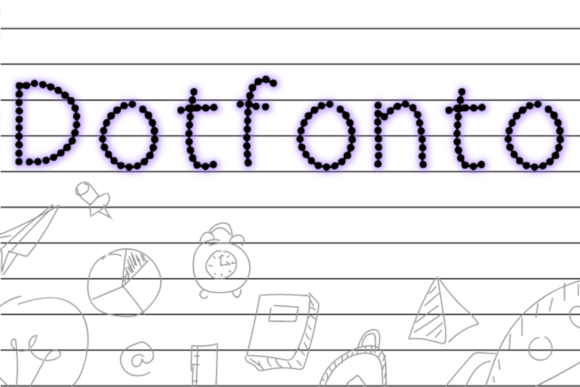
Dotfonto: The Dotted Font That Teaches as It Designs
Imagine a typeface that does more than just look good on a page. Picture a font where each letter and number is formed by a series of carefully spaced dots, creating a gentle, guiding path for a child’s hand to follow. This is the core idea behind Dotfonto, a dotted font with dots that serves a dual purpose: it’s a charming, modern display typeface for designers and a brilliant educational tool for teaching children the fundamentals of writing. For anyone who has spent hours painstakingly drawing dotted letters for practice sheets, this font feels like a revelation. It transforms a tedious task into a simple, creative process, opening up possibilities for parents, teachers, and content creators alike.
More Than a Teaching Tool: A Unique Design Asset
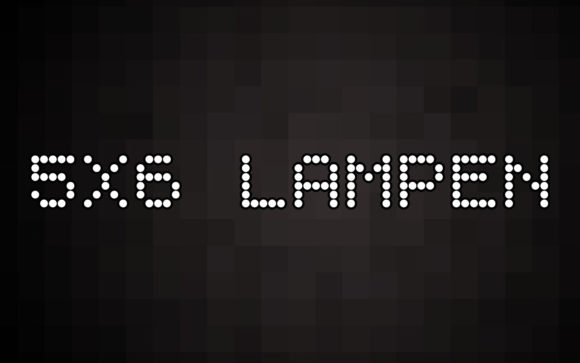
While its primary educational function is groundbreaking, Dotfonto’s appeal extends far beyond the classroom. As a premium font, its visual character is distinctive. The dotted structure gives it a playful, approachable, and slightly retro feel that works beautifully in specific design contexts. Think of it not as a sans serif font or a serif font in the traditional sense, but as a unique display font with built-in personality. The dots create a subtle texture and rhythm that can make headlines pop, logos memorable, and packaging stand out on a shelf. It’s a creative font that injects a sense of fun and craftsmanship into any project.
Consider its use in branding. A children’s boutique, an educational app, a toy company, or a family-focused blog could use Dotfont to instantly communicate warmth, creativity, and a focus on learning. The font itself becomes a core part of the brand identity, telling a story before a single word is read. In logo design, a wordmark set in Dotfont is inherently unique and memorable. It’s not just a name; it’s a visual concept that hints at growth, foundation, and hands-on creativity.
Practical Applications for Creative Professionals
The versatility of a dotted font style like Dotfonto is what makes it a valuable addition to any designer’s toolkit. Its applications are surprisingly wide-ranging, limited only by the imagination. Here’s how different professionals can leverage its unique qualities:
- Packaging & Product Design: Perfect for products aimed at children or families. Use it on labels, boxes, and inserts for toys, books, educational kits, and snacks. It adds a tactile, handcrafted quality that resonates with parents looking for engaging products.
- Social Media Graphics & Marketing Assets: In a crowded feed, Dotfont stops the scroll. Its dotted texture is eye-catching at various sizes, making it ideal for Instagram stories, Pinterest pins, Facebook ads, and promotional banners. It’s excellent for creating quotes, announcements, and call-to-action text that feels friendly and inviting.
- Editorial & Web Design: While not suited for long body text, it shines for headlines, pull quotes, chapter titles, and sidebar callouts in magazines, blogs, and websites. It pairs exceptionally well with clean, simple sans serif fonts for body copy, creating a dynamic visual hierarchy that enhances readability and audience engagement.
- Print Materials & Invitations: Design stunning party invitations for children, educational posters for classrooms, or activity sheets for waiting rooms. The font’s inherent structure is perfect for creating “trace the dot” activities directly within a design, adding immense value for the end-user.
- Digital Products & KDP Publishing: This is where Dotfont truly excels. For creators on platforms like Amazon KDP, it’s a game-changer. You can use it to generate entire children’s activity books—tracing workbooks, number practice sheets, and letter recognition guides—in minutes. The commercial license allows you to sell these digital or print products, creating a scalable asset for your publishing business.
Mastering the Pairing: Integrating Dotfont into Your Designs
Using a distinctive font like Dotfonto effectively requires a thoughtful approach to font pairing. Its strong personality means it should almost always be used as a headline or accent font, not for paragraphs. The goal is to let it shine without overwhelming the viewer.
The Rule of Contrast: Pair Dotfont with a simple, neutral typeface. A clean modern typography sans-serif like Open Sans, Lato, or Montserrat works wonderfully. The contrast between the playful, textured dots and the smooth, professional sans-serif creates balance and ensures the overall design remains legible and polished. For a more classic feel, a light, elegant serif font could also provide a sophisticated counterpoint.
Testing for Readability: Always test your pairings in context. View your design on both a large screen and a mobile device. Print a sample if it’s for a physical product. The size and spacing of the dots are designed for clarity, but at very small sizes or on low-resolution screens, they might merge. Adjusting the font size or letter-spacing slightly can often solve this.
Exploring the Included Styles: A quality commercial font like Dotfonto often comes with more than one style. Look for variations like regular, bold, or italic. A bold weight can add emphasis to key words, while maintaining the dotted character. Understanding these options gives you more control over your visual consistency and the narrative of your design.
From Concept to Creation: A Practical Workflow
Let’s walk through a real-world scenario. You’re a small business owner launching a line of children’s educational flashcards. Your goal is a product that is both beautiful and functional.
- Define the Goal: Create a series of flashcards for learning the alphabet, numbers 1-10, and basic shapes. The design must be engaging for kids and informative for parents.
- Choose Your Primary Font: Select Dotfonto for the main character or number on each card. Its dotted form is the core educational feature, inviting interaction.
- Select a Supporting Font: Choose a friendly, rounded sans-serif for the descriptive text (e.g., “A is for Apple”). This ensures all information is easy to read at a glance.
- Design with Purpose: Use a generous, clean layout. Let the Dotfont character be the hero. Add simple, colorful illustrations that complement the letter or number. The dotted font provides the “trace” element, while the illustration provides context.
- Check Commercial Use: Before finalizing, confirm the font’s license permits the sale of physical products like flashcards. This is a crucial step for any creative entrepreneur or small business owner.
This same workflow applies to creating social media templates, blog graphics, or marketing flyers. By starting with a clear purpose and using Dotfont strategically, you can build a cohesive and professional visual language for your brand or project. It’s a design asset that solves a specific problem—making learning tactile and fun—while also offering a distinct aesthetic for a wide range of creative work. In a world of endless font choices, one that bridges the gap between playful design and practical education has a unique and valuable place.