Birawa: A Playful Script Font for Modern Creators
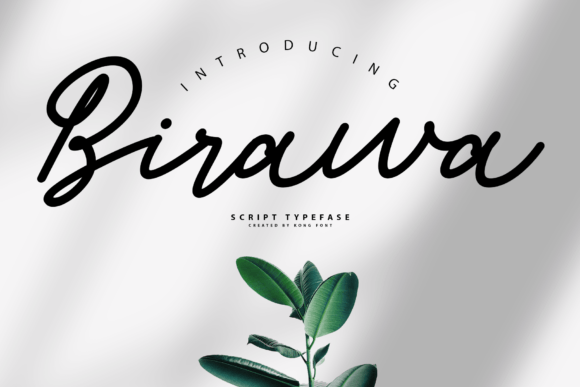
There's a certain magic in a font that feels both friendly and polished—the kind of typeface that makes a design instantly approachable without sacrificing professionalism. That's the sweet spot Birawa occupies. Created by Kong Font Studio, this modern script font brings a relaxed, handwritten energy to projects while maintaining enough structure to feel intentional. It's the type of design asset that can bridge the gap between casual creativity and commercial appeal, making it a practical addition to any designer's toolkit.
Why Birawa Feels Different
Unlike overly formal calligraphy scripts or rigid sans serifs, Birawa strikes a balance. Its letterforms flow with a natural, slightly bouncy rhythm that mimics authentic handwriting but with cleaner edges and more consistency. This makes it versatile enough for branding work where you want personality without chaos. The font includes multiple stylistic alternatives, giving designers flexibility to adjust swashes, ligatures, and letter connections based on the project's tone. Whether you're creating a logo for a boutique bakery or designing social media templates for a lifestyle brand, Birawa adapts to the context.
One practical advantage is its compatibility with popular design tools like Adobe Photoshop and Silhouette Design Studio. This means crafters working on vinyl projects, printables, or merchandise can use it seamlessly alongside more traditional graphic design applications. The font works across platforms without requiring complex workarounds—a small but significant detail when you're juggling multiple client projects or personal creative endeavors.
Where Birawa Shines: Real-World Applications
Let's talk specifics. Where does a script font like this actually earn its place in a design workflow? Consider these practical scenarios:
- Brand Identity Systems: For small businesses in wellness, food, beauty, or creative services, Birawa can anchor a visual identity that feels personal and approachable. Use it for primary logos, secondary wordmarks, or accent typography in brand guidelines. Its playfulness helps differentiate brands from competitors relying solely on generic serif or sans serif fonts.
- Packaging Design: Product labels, jar tags, box graphics—any packaging that needs to convey handmade quality or artisanal care benefits from a script typeface. Birawa's legibility at medium sizes makes it suitable for ingredient lists or taglines where readability matters.
- Social Media & Digital Content: Instagram quotes, Pinterest pins, YouTube thumbnails, and blog headers often rely on typography to grab attention quickly. Birawa's friendly character helps content feel relatable, which can boost engagement in crowded feeds. Pair it with a clean sans serif for body text to maintain balance.
- Event & Editorial Design: Wedding invitations, workshop flyers, magazine layouts, and menu designs all benefit from script fonts that feel celebratory or intimate. Birawa works well in layouts where typography carries emotional weight without overwhelming supporting text.
- Merchandise & Printables: Tote bags, mugs, greeting cards, and digital download products often use script fonts to create a cohesive, giftable aesthetic. Because Birawa includes commercial licensing, creators can confidently use it for products sold online or in physical stores.
Pairing Birawa with Other Typefaces
A script font rarely works alone. The real design magic happens when you pair it thoughtfully with complementary typefaces. For professional presentations, try combining Birawa with a geometric sans serif like Montserrat or Poppins. The contrast between the organic script and the structured sans creates visual hierarchy while keeping the overall look modern. For editorial layouts or blogs, a transitional serif like Lora or Merriweather can ground the design, giving readers' eyes a rest in longer text blocks while Birawa handles headlines or pull quotes.
When testing font pairings, consider these practical steps:
- Establish hierarchy first. Decide which typeface handles headlines versus body copy. Birawa typically works best in display roles—larger sizes where its details are visible—rather than small body text.
- Check weight contrast. If Birawa is your light, flowing script, pair it with a medium or bold weight sans serif. Avoid pairing two similarly weighted fonts, which can create visual confusion.
- Test at actual size. View your combination at the size it will appear in the final product. A pairing that looks balanced on a large monitor might feel cramped on a mobile screen or a small product label.
- Evaluate mood alignment. A playful script like Birawa pairs better with friendly, rounded sans serifs than with ultra-condensed or aggressive display fonts. The personalities should complement, not compete.
Readability Considerations for Real Projects
Every designer faces the tension between style and legibility. Birawa handles this better than many script fonts, but it still requires thoughtful implementation. At very small sizes—think footnote text or dense packaging information—script fonts generally lose clarity. Reserve Birawa for situations where it can breathe: headlines, subheads, logos, or accent phrases where its character enhances rather than hinders comprehension.
Color and contrast also play roles. A light script font on a pale background becomes invisible. Ensure sufficient contrast between your type color and background, especially for accessibility. If you're designing for screens, test on multiple devices. Mobile rendering can soften fine script details, so slightly increasing font size or weight for mobile layouts often helps.
For print projects, consider the material. On textured paper or rough surfaces, thin script strokes can break up. Request print proofs before committing to large production runs. These practical checks prevent costly reprints and ensure the final product matches your digital preview.
Licensing and Commercial Use
One detail that separates hobby projects from professional work is licensing. Birawa comes with commercial licensing through its distribution platform, which means you can legally use it in client work, products for sale, and business branding without worrying about copyright issues. Always review the specific license terms before purchasing—some fonts have restrictions on embedding in software or mass-produced goods. Understanding these details upfront protects your business and your clients.
For designers managing multiple projects, keeping a record of font licenses organized by client or project type saves headaches later. Create a simple spreadsheet or use a digital asset management tool to track which fonts are licensed for commercial use, where they were purchased, and any usage limitations. This habit demonstrates professionalism and protects against unintentional infringement.
Integrating Birawa into Your Design Workflow
Adding a new font to your library is easy. Using it effectively takes practice. Start by exploring the font's full character set—many designers never discover alternate glyphs, ligatures, or stylistic sets that could elevate their work. In applications like Adobe Illustrator or Photoshop, open the Glyphs panel to browse available characters. Experiment with different letter combinations to find the version that best fits your project's mood.
Create a small test project before using Birawa in a high-stakes design. Mock up a social media post, a simple logo, or a greeting card. This hands-on exploration reveals how the font behaves in real contexts—how letters connect, how spacing feels, how it interacts with colors and images. These experiments build confidence and help you develop a sense for when and where the font works best.
Ultimately, Birawa is a tool—a well-crafted, versatile script font that earns its place through practical application rather than trendy hype. Whether you're a crafter personalizing gifts, a small business owner building a brand, or a designer expanding your type toolkit, it offers genuine creative flexibility. The key is using it intentionally, pairing it thoughtfully, and always prioritizing the communication goals of your project over decorative impulse.