California Font: A Handwritten Typeface for Modern Brands
There’s a certain magic in handwritten typography. It feels personal, immediate, and full of character—a stark contrast to the uniformity of standard digital fonts. In a world saturated with sleek, minimalist design, a thoughtfully chosen script can be the secret ingredient that makes a brand feel human, approachable, and memorable. This is precisely the space the California font occupies. It’s not just a collection of letters; it’s a stylistic voice, offering a distinct and timeless elegance that can transform ordinary projects into something spectacular.
Understanding the Visual Appeal of This Handwritten Typeface
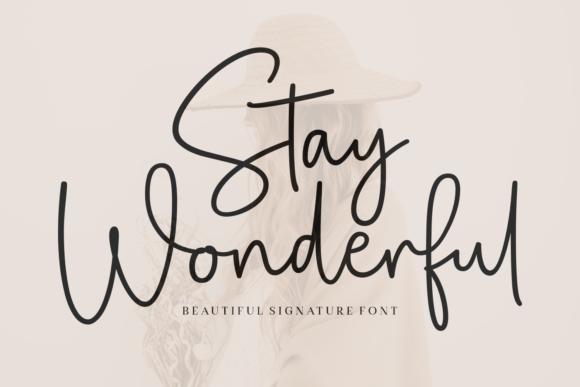
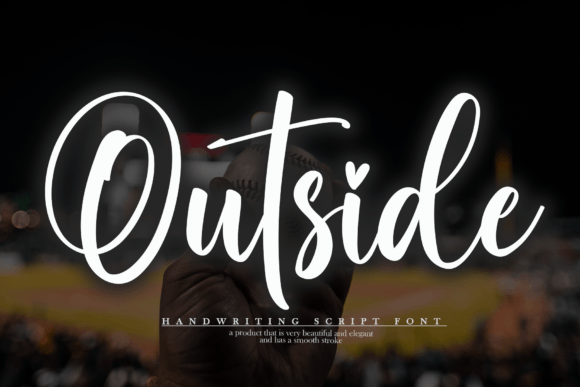
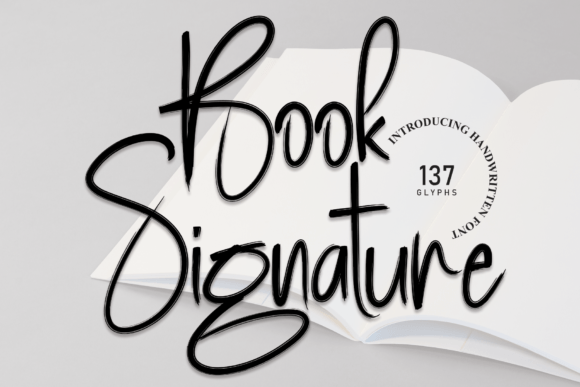
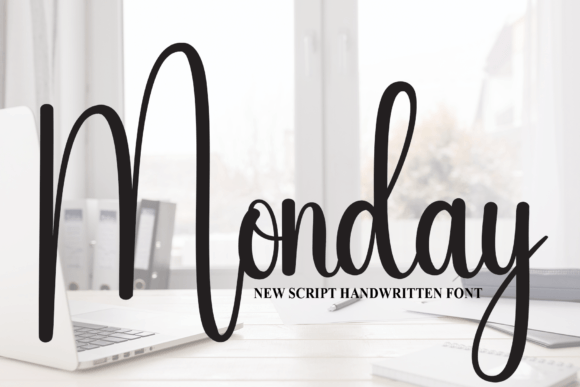
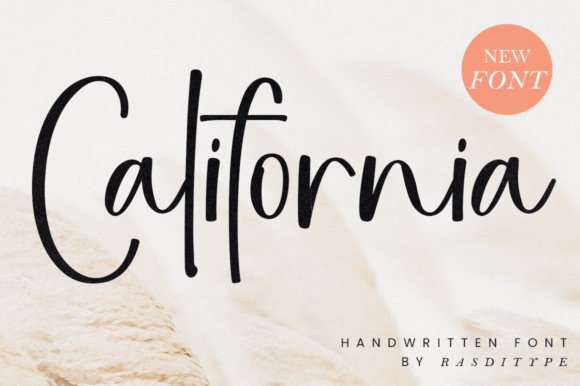
At its core, California is a beautifully crafted script font that mimics the natural flow of hand-lettering. What sets it apart is its balance. It possesses the relaxed, organic feel of a casual pen stroke but is refined enough to maintain clarity and sophistication. The letterforms feature a gentle, consistent slant and thoughtful connections that create a smooth, rhythmic reading experience. This isn’t a frantic, overly messy scrawl; it’s a controlled, elegant hand that conveys authenticity without sacrificing professionalism.
The visual personality of this typeface is one of confident warmth. It evokes a sense of creativity, artisanal quality, and personal touch. For designers and brand strategists, this makes it an incredibly versatile display font. It’s perfect for headlines, logos, and any element where you want to inject emotion and draw the viewer in. The subtle variations in stroke weight within the letters add a layer of depth and realism, preventing the digital text from feeling flat or lifeless.
Practical Applications: Where California Truly Shines
The true test of any creative font is its utility. How does it perform in the real world, across different mediums and for different goals? California excels in scenarios where storytelling and personality are paramount. Let’s explore some of its most effective applications.
- Brand Identity & Logo Design: For businesses in the lifestyle, wellness, boutique retail, food and beverage, or creative service industries, this font can become the cornerstone of a brand identity. Imagine it on a café menu, a skincare product label, or the logo for a wedding photographer. It immediately communicates a handmade, premium quality.
- Editorial & Packaging Design: In editorial design, it’s stunning for magazine mastheads, chapter titles, or pull quotes. For packaging design, it adds a luxurious, artisanal touch to product names and descriptions, especially on labels for gourmet foods, cosmetics, or craft goods.
- Digital Presence: When used sparingly and strategically in web design, it can elevate a site’s aesthetic. It works beautifully for hero section headings, featured quotes, or call-to-action buttons. Paired with a clean sans serif font for body text, it creates a dynamic and engaging visual hierarchy. It’s equally powerful for social media graphics, making Instagram posts, Pinterest pins, and Facebook ads stand out with a personal flair.
- Print & Merchandise: The applications extend to print materials like business cards, thank you notes, and posters. For creators selling merchandise—think tote bags, mugs, or apparel—a phrase set in California can become a desirable design element in its own right.
Integrating California into Your Design Workflow
Adopting a new premium font into your toolkit is more than just a download. To use it effectively, consider these practical steps.
Font Pairing is Critical. A script font like this rarely works well for large blocks of body copy. Its strength is in display use. Pair it with a highly readable serif font for a classic, elegant feel, or with a geometric sans serif font for a modern, clean contrast. For example, use California for your main headline and a font like Lato or Open Sans for paragraphs. This ensures readability while letting the script’s personality shine.
Test for Context and Readability. Always view your chosen text at the size it will be used. A phrase that looks gorgeous in a large logo might become illegible when reduced to a small watermark or a footnote. Check the clarity of letter combinations, especially tricky ones like ‘b’, ‘o’, ‘v’, and ‘w’ when adjacent. Most commercial font packages, including California, often include alternate characters (swashes, ligatures) that can solve spacing issues and add flair, so explore what’s included in the font files.
Match Typography to Project Goals. Ask yourself: what is the primary emotion or message of this project? California is ideal for projects aiming for warmth, creativity, elegance, and approachability. It might not be the best choice for a corporate law firm or a tech startup focused on ultra-minimalism. The font’s personality should align with the brand’s voice.
Consider Commercial Licensing. If you’re using this font for client work or commercial products, ensure you have the correct license. This is a non-negotiable aspect of professional design. A reputable typeface will come with clear licensing terms for different uses, protecting both you and your client.
Elevating Your Visual Communication
Ultimately, the goal of any design asset is to communicate more effectively. A well-chosen font does more than just display words; it sets a mood, builds brand recognition, and enhances the overall user experience. By incorporating a versatile and visually compelling handwritten font like California, you’re not just decorating a page—you’re adding a layer of meaning and connection.
It helps create visual consistency across all your touchpoints, from your website to your packaging to your social media, reinforcing a cohesive brand story. The professional presentation it affords can elevate a small business’s perceived value and help a content creator’s work feel more polished and intentional. In the end, it’s about giving your projects a voice that feels genuinely human, engaging, and unforgettable.