Diagonal: The Handwritten Font That Brings Energy to Your Brand
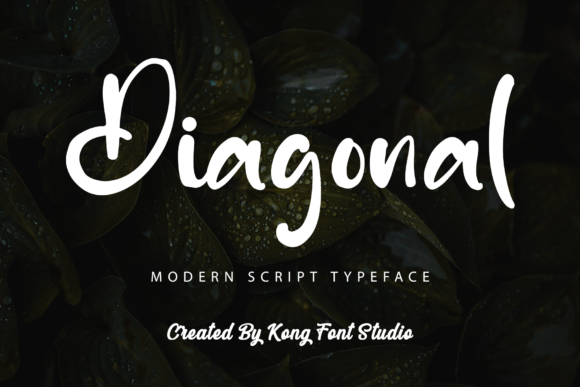
There’s a moment in every design project where you realize a standard, clean typeface just isn’t cutting it. You’re trying to convey warmth, personality, or a sense of handcrafted quality, but your current font library feels cold and corporate. That’s where a typeface with character becomes your most valuable asset. Diagonal, a modern and playful handwritten script font from Kong Font Studio, steps into that gap perfectly. It’s not just another script; it’s a design tool built for creators who want their work to feel immediate, human, and full of life.
What sets Diagonal apart is its balanced energy. Some script fonts are too formal, resembling calligraphy that feels distant. Others are so casual they sacrifice legibility. Diagonal finds the sweet spot. Its letterforms flow with a natural, slightly slanted rhythm that mimics the motion of a quick, confident hand. The connections between letters feel organic, not forced, and the overall texture adds a layer of tactile authenticity. This makes it a fantastic choice for projects where you need to inject personality without overwhelming the viewer.
Where This Script Font Truly Shines
Think about the last brand that felt relatable to you. Chances are, its visual identity used typography that communicated on a human level. Diagonal excels in creating that connection. For a small-batch coffee roaster, it can transform a simple logo into something that feels artisanal and passionate. On a wellness brand’s packaging, it can convey approachability and care. It’s a typeface that doesn’t just display words; it communicates an attitude.
This makes it incredibly versatile for a range of applications:
- Brand Identity & Logo Design: A logo using Diagonal can become the cornerstone of a friendly, creative brand identity. It works beautifully for businesses in the lifestyle, food, beauty, or creative service spaces.
- Packaging Design: On product labels, boxes, or bags, this handwritten font adds a personal, high-quality touch that can make a product stand out on a crowded shelf.
- Social Media Graphics: In the fast-scrolling world of Instagram or Pinterest, a bold, playful headline in Diagonal can stop thumbs and boost engagement. It’s perfect for quote graphics, sale announcements, or story highlights.
- Print Materials: Flyers, posters, and invitations gain a dynamic, energetic feel. It’s particularly effective for event promotions, workshop materials, or boutique menus where a personal invitation is key.
- Merchandise & Digital Products: From t-shirt slogans to eBook covers, Diagonal adds a handcrafted flair that elevates the perceived value of both physical and digital goods.
Practical Tips for Pairing and Presentation
While Diagonal is a showstopper, using it effectively requires some strategy. A common mistake is setting entire paragraphs in a script font. Its strength is in headlines, subheads, and call-to-action phrases. For body text, pair it with a highly readable serif or sans serif font. A clean sans serif like Montserrat or a classic serif like Lora can provide a perfect, stable counterbalance, ensuring your message is both beautiful and clear.
Always test your pairings in context. Place your Diagonal headline next to your chosen body font at the actual size it will be used. Check the visual weight—is one overpowering the other? Ensure there’s enough contrast in style but harmony in mood. Also, pay close attention to letter spacing and line height (leading) when setting your script text. A little extra breathing room can significantly improve readability and elegance.
Before finalizing a design, review the full character set of the font. Diagonal, like many premium fonts, likely includes stylistic alternates, ligatures, and swashes. These are not just decorative extras; they are tools for solving specific design problems. A swash on a capital letter can add a flourish to a logo initial, while an alternate ‘g’ or ‘e’ might fit better in a particular word combination, preventing awkward clashes between letters.
Making a Smart Choice for Your Creative Toolkit
Choosing a font is an investment in your project’s visual voice. When considering Diagonal, think about the long-term goals of your brand or project. Does its playful, modern personality align with the audience you want to attract? For a law firm, it’s likely the wrong choice. For a freelance graphic designer, a bakery, or a travel blogger, it could be exactly the right one to build recognition and warmth.
One critical, often overlooked aspect is licensing. If you plan to use the font for commercial projects—for a client’s logo, on products for sale, or in paid marketing materials—you must ensure you have the correct commercial license. The link provided points to Creative Fabrica, a marketplace where fonts are often available with licenses for both personal and commercial use. Always read the license agreement carefully to understand what is and isn’t permitted. This due diligence protects you and respects the work of the type designer.
Ultimately, the best font is the one that serves your communication goal. Diagonal offers a specific, valuable solution: it bridges the gap between professional design and human touch. It’s a creative font that can help a brand feel more accessible, a poster feel more urgent, and a social media post feel more personal. By using it thoughtfully—pairing it wisely, testing its legibility, and leveraging its stylistic features—you can harness its energy to create designs that don’t just look good, but truly connect.