Why Shnobel Font Feels Like a Party for Your Designs
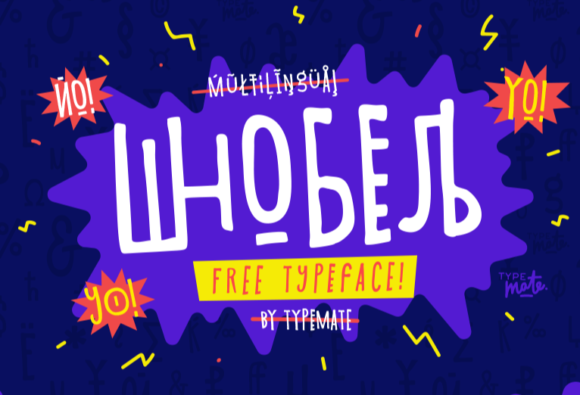
Some fonts whisper. Some fonts shout. Then there’s Shnobel, which walks into the room, tells a hilarious joke, and immediately becomes the life of the party. If you’ve been scrolling through endless lists of serious serifs and stoic sans-serifs, this typeface is the jolt of energy your creative projects might be missing. It’s not just a font; it’s a full-blown vibe. Shnobel is a very emotional, mind-blowing, odd, wild, funny, extraordinary font! It can be used for every design which needs a fun and playful typeface, offering a distinct personality that generic typefaces simply cannot match.
Capturing the "Odd and Wild" Essence in Branding
When we talk about brand identity, we are talking about personality. If your brand were a person, would they wear a gray suit and tie, or a vintage leather jacket with colorful sneakers? Shnobel is definitely the latter. This display font is perfect for businesses that want to appear approachable, energetic, and human.
Consider a local bakery, a boutique toy store, or a podcast about weird history. These entities rely on a connection with their audience. Using a stiff, corporate typeface sends a subconscious message of distance. Using a creative font like Shnobel invites people in. It says, "We are here to have fun, and we don't take ourselves too seriously." It’s an excellent tool for logo design because the letterforms themselves contain enough character to act as a graphic element. You don't always need an icon next to a logo when the typography is doing the heavy lifting.
Practical Magic: Where Does Shnobel Fit Best?
Understanding the mechanics of a typeface helps you decide where to deploy it. Because Shnobel has such a strong personality, it works best in high-impact areas. It is a display font, meaning it is designed to be seen at larger sizes, such as headlines, banners, and titles.
- Packaging Design: In a crowded aisle, packaging needs to catch the eye in seconds. Shnobel’s wild style ensures your product stands out. It works beautifully for artisanal foods, craft beers, or children’s products where packaging design needs to convey taste and texture.
- Social Media Graphics: The feed moves fast. A bold, funny header written in Shnobel can stop the scroll. It adds personality to Instagram stories, YouTube thumbnails, and Pinterest pins, making social media graphics feel more authentic and less "stock."
- Merchandise: T-shirts, tote bags, and mugs often rely on text-based designs. Shnobel has the flair of a handwritten font but with the structure of a modern typography piece, making it ideal for apparel that people actually want to wear.
- Event Invitations: Planning a milestone birthday, a quirky wedding, or a launch party? The font sets the tone immediately. It tells guests to expect something out of the ordinary before they even read the details.
Pairing Shnobel: Balancing the Chaos
One of the most common questions regarding expressive typefaces is how to use them without overwhelming the viewer. This is where font pairing becomes your best friend. Because Shnobel is so detailed and "mind-blowing," it needs a grounding partner.
Think of it like an outfit. If you are wearing a loud, patterned blazer, you wear a plain white shirt underneath. The same logic applies to web design and editorial layouts.
If you are designing a poster or a website header, use Shnobel for the main title. For the sub-headers or the body copy, choose a clean, simple sans serif font. A geometric sans-serif works particularly well because its clean lines contrast with Shnobel’s organic, wild curves. This contrast creates visual hierarchy, ensuring that your readability remains high while your visual impact stays strong. You want the audience to read the small text easily, but be captivated by the big text.
Technical Considerations for the Creative Mind
While the aesthetic is the "fun" part, the technical side ensures your project looks professional. As a commercial font, Shnobel usually comes with specific licensing and styles that you need to review.
Before you finalize a project, check the included font styles. Does it come with alternates? Ligatures? These features allow you to customize the look of specific letters so that two 'S's next to each other don't look identical, adding a more authentic, hand-crafted feel to the design assets. This is particularly useful for logo design where uniqueness is paramount.
Also, consider the medium. If you are creating print materials like brochures or business cards, ensure the font weight is heavy enough to hold up in print. Thin, intricate lines can sometimes get lost in the printing process. However, for digital products and marketing assets viewed on screens, Shnobel usually renders beautifully, adding that high-definition pop of personality to your pixels.