Glassy: The Handwritten Font with a Modern, Playful Edge
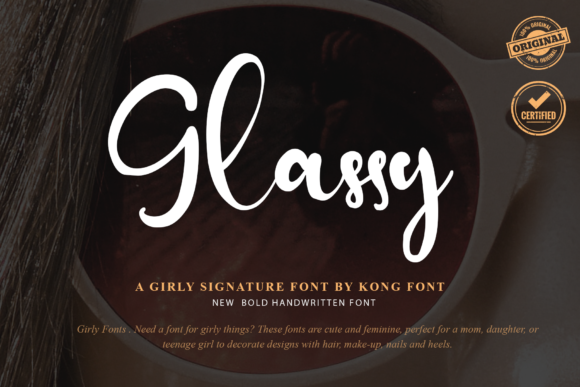
There’s a particular kind of charm in a font that feels both personal and polished. You know the one—it catches your eye on a wedding invitation, makes a logo feel approachable, or turns a simple quote into something worth sharing. That’s the space Glassy occupies. Created by Kong Font Studio, this modern handwritten script font walks the line between playful energy and clean sophistication, making it a versatile tool for designers, crafters, and brands looking to add a human touch without sacrificing professionalism.
What Makes Glassy Visually Appealing?
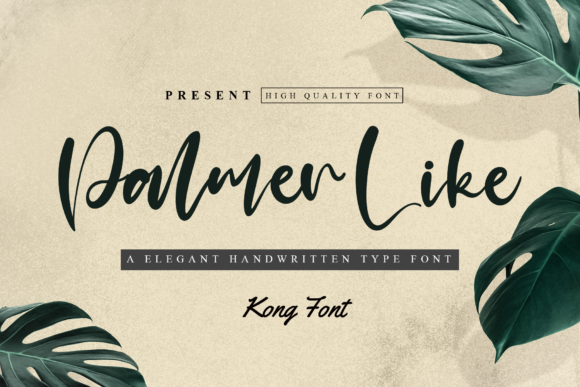
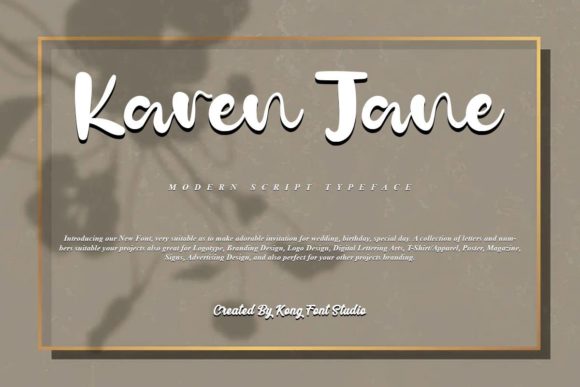
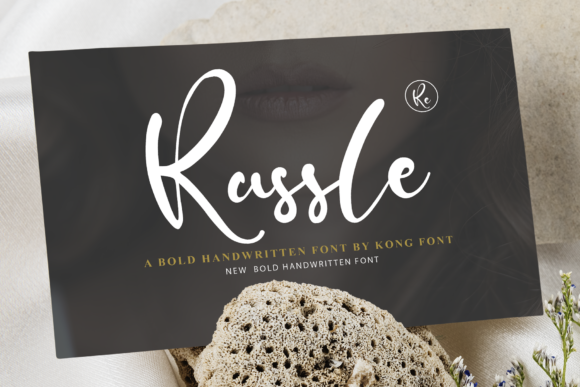
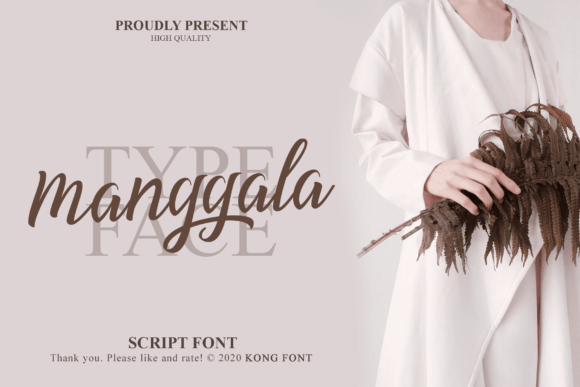
Glassy isn’t just another script font. It has a fluid, natural rhythm that mimics real handwriting but with enough consistency to work in structured designs. The letters connect smoothly, with slight variations in stroke width that give it an organic feel. Unlike overly formal calligraphy fonts, Glassy feels approachable—like a note from a friend with excellent penmanship. Its modern style avoids the overly ornate flourishes that can date a design, opting instead for clean lines and balanced spacing. This makes it readable at various sizes, from large headlines to smaller body text in certain contexts.
The font’s personality is friendly yet confident. It doesn’t scream for attention but still stands out in a composition. For designers, this balance is gold. It means you can use Glassy as a primary typeface for a brand voice or as a complementary element in a larger typographic system. Whether you’re designing a logo, crafting social media graphics, or laying out a wedding suite, the font adapts without losing its character.
Practical Uses Across Creative and Commercial Projects
One of the strengths of a well-crafted script font like Glassy is its versatility. It’s not limited to one type of project. Here’s where it truly shines:
- Branding and Logo Design: A logo sets the tone for a brand. Glassy works beautifully for businesses that want to appear approachable, creative, or artisanal. Think boutique shops, lifestyle brands, wedding planners, or wellness coaches. It pairs well with clean sans-serif fonts for a balanced look.
- Packaging and Labels: On product packaging, handwritten fonts add a personal, crafted feel. Glassy can highlight product names or taglines on labels for cosmetics, gourmet foods, or handmade goods, making the product feel special before it’s even opened.
- Social Media Graphics: In a crowded feed, authenticity stands out. Using Glassy for quotes, announcements, or story templates can make your content feel more genuine and engaging. It’s perfect for Instagram posts, Pinterest pins, or Facebook banners where a personal connection matters.
- Print and Digital Invitations: Wedding invitations, party invites, thank-you cards, and event flyers benefit immensely from a font that feels celebratory yet elegant. Glassy delivers that sentiment without looking overly traditional.
- Website and Blog Elements: While not ideal for long paragraphs of body text, Glassy can elevate headers, pull quotes, or call-to-action buttons on a website. It adds visual interest and helps guide the reader’s eye through the content.
- Merchandise and Editorial Design: From tote bags to magazine layouts, handwritten fonts bring energy to physical and digital products. Glassy could be used for chapter titles, section headers, or featured quotes in a publication.
Improving Visual Consistency and Brand Recognition
Typography is a silent ambassador for your brand. The fonts you choose communicate values and personality before a single word is read. Consistent use of a typeface like Glassy across your materials—from your logo to your email signature—builds recognition. When your audience sees that familiar script, they start to associate it with your voice, whether you’re a blogger, a small business, or a creative agency.
Readability is often a concern with script fonts, but Glassy’s design prioritizes clarity. The letters are distinct enough to avoid confusion, even in shorter phrases. That said, it’s always wise to test your font pairings. Combining Glassy with a simple sans-serif font for body text creates a hierarchy that’s both beautiful and functional. For example, use Glassy for headings and a font like Open Sans or Lato for paragraphs. This contrast ensures your designs are easy to read while maintaining a cohesive style.
Choosing the Right Font and Considering Licensing
Before you commit to a font for a project, consider the mood you’re trying to create. A modern handwritten font like Glassy suits designs that aim to be friendly, creative, or personal. If your project requires a more formal or technical tone, a serif or sans-serif might be better. Always look at the full character set of a font—check for numbers, punctuation, and special characters to ensure it meets your needs.
Another practical step is to review the font’s licensing. For commercial projects, you need to ensure the font license allows for your intended use, whether it’s for a client’s logo, merchandise, or digital product. Glassy is available through Creative Fabrica, which offers licensing options for various uses. Understanding these terms upfront prevents legal headaches down the road and ensures you’re using design assets ethically.
Ultimately, the best font is one that serves your project’s goals while resonating with your audience. Glassy offers a blend of personality and practicality that’s hard to find in many script fonts. It’s not just about making things look pretty—it’s about creating a visual language that connects, communicates, and endures. Whether you’re refining a brand identity, designing a marketing campaign, or crafting a personal project, it’s worth exploring how a font like this can bring your ideas to life with warmth and clarity.