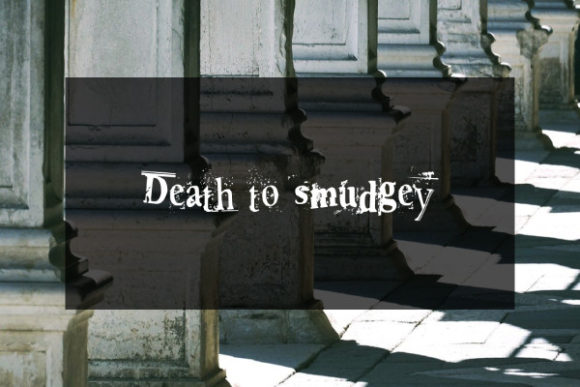
Why the Death to Smudgey Font is a Game-Changer for Designers
If you've ever stared at a blank canvas—whether for a client's brand, your own Etsy shop packaging, or a social media campaign—and felt that familiar pang of creative block, you know how crucial the right design assets can be. Typography, in particular, carries an enormous weight in visual communication. It sets the tone, establishes mood, and can instantly differentiate your work from the sea of generic designs flooding the internet. That's where a typeface like Death to Smudgey enters the conversation. Created by Vic Fieger, this isn't just another display font gathering dust in a library. It's a superb decorative font designed to help your work stand out, featuring inclined characters and a distinct smudgy appearance that brings an immediate sense of energy and attitude to any project.
Understanding the Visual Personality of This Typeface
Before diving into applications, it helps to understand what makes this particular creative font tick. At its core, Death to Smudgey is a display typeface, meaning it's crafted for impact rather than long-form body text. Its characters have a noticeable slant, giving everything a sense of forward motion and urgency. The "smudgy" aesthetic isn't about being messy—it's a deliberate stylistic choice that introduces texture and grit. Think of it like the typographic equivalent of a well-worn leather jacket or a vintage concert poster. It feels handmade, raw, and full of personality.
This kind of modern typography works beautifully when you need to inject some edge or authenticity into a design. It avoids the sterile, overly polished look that can sometimes make digital content feel impersonal. Instead, it offers a human touch. The slight imperfections and the inked, textured finish make it feel like something that was crafted with care, not just generated by a machine. For designers, marketers, and small business owners, this translates to a typeface that can help forge a stronger emotional connection with an audience.
Practical Applications Across Creative and Commercial Projects
So, where does a premium font like this actually fit into your workflow? The versatility might surprise you. Its bold, expressive nature makes it a strong candidate for a wide range of design assets. Here’s a look at how it can be applied effectively:
- Brand Identity and Logo Design: If your brand's voice is bold, unconventional, or youthful, this typeface could be a cornerstone of your visual identity. It's particularly effective for logos in industries like streetwear, music, craft beverages, or indie game development. It communicates confidence and a break from convention.
- Packaging Design: On a crowded shelf, packaging needs to grab attention in seconds. The textured, handwritten font style of Death to Smudgey can make product labels for hot sauces, artisanal coffees, or specialty snacks feel more authentic and intriguing. It suggests a product with character.
- Social Media Graphics: In the fast-scroll environment of Instagram or TikTok, static text often gets ignored. Using a dynamic, smudgy display font for quotes, announcements, or sale graphics can stop the scroll. It adds a layer of visual interest that plain sans serif fonts can't match.
- Web Design and Blogs: While not for body copy, it’s excellent for website headers, hero sections, or blog post titles. A well-placed heading in this typeface can set the mood for an entire page, especially for blogs focused on music, art, urban culture, or DIY projects.
- Print Materials and Merchandise: Think event posters, band flyers, t-shirt designs, or sticker packs. The gritty texture of the font translates exceptionally well to print, giving items a tactile, screen-printed feel even when digitally produced.
- Invitations and Editorial Layouts: For party invitations, zine layouts, or magazine features with an alternative or artistic theme, this font can provide the perfect headline treatment. It helps create a distinct editorial voice.
Integrating Death to Smudgey into Your Design Strategy
Adopting a new font is more than just liking how it looks; it's about strategically aligning it with your project's goals. Here are some practical considerations to keep in mind when working with this typeface.
Font Pairing is Everything: A decorative font like this needs balance. Pair it with a clean, simple sans serif font (like Helvetica, Open Sans, or Lato) for body text or supporting information. This contrast ensures readability while letting the display font do its job as a visual anchor. Avoid pairing it with other ornate or script fonts, as this can create visual chaos.
Readability First: While its smudged, inclined style is eye-catching, context matters. Use it for short, impactful text: headlines, logos, single words, or short phrases. Avoid setting entire paragraphs in it. Test its legibility at the actual size it will be viewed—what looks great on a 27-inch monitor might be hard to read on a mobile screen or a small product label.
Review the Included Styles: A quality commercial font often comes with multiple weights or stylistic alternates. Check what's included with your license. Does it have a bold version for extra emphasis? Are there alternate character sets? Understanding these options allows you to get more mileage out of the font and maintain consistency across different applications.
Licensing for Commercial Use: This is a critical, often overlooked step. If you're using Death to Smudgey for a client project, merchandise for sale, or any commercial endeavor, ensure you have the correct commercial license. Purchasing from a reputable source guarantees you're legally covered and supporting the original creator, Vic Fieger.
Building Visual Consistency and Audience Engagement
The ultimate goal of thoughtful typography is to strengthen your communication. When you consistently use a typeface that embodies your brand's personality, like this premium font, you build recognition. Your audience starts to associate that visual style with your message, whether they see it on a Instagram post, a website banner, or a physical product. This consistency is a pillar of professional presentation.
Moreover, a font with character—literally—can boost engagement. It shows that you've put thought into every detail of your design. For content creators and marketers, this attention to detail can translate into higher click-through rates, more social shares, and a more memorable brand experience. It moves your design from being merely informational to being expressive and relatable.
In a landscape saturated with default fonts and templated designs, choosing a typeface with a distinct voice like Death to Smudgey