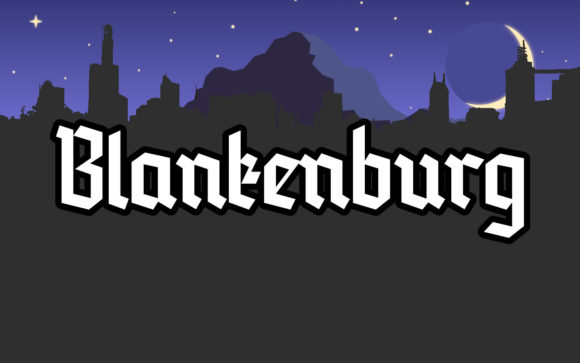
Blankenburg: The Blackletter Font That Balances Tradition with Edge
There's a certain magic in blackletter typography—it evokes history, craftsmanship, and a touch of rebellious spirit. Yet many designers hesitate to use it, fearing it might feel outdated or overly ornate. That hesitation disappears when you discover Blankenburg, a blackletter typeface by Peter Wiegel that masterfully bridges the gap between medieval calligraphic tradition and contemporary design needs. It's not just another gothic font; it's a versatile creative tool with a surprisingly modern sensibility.
Why Blankenburg Feels Different
At first glance, you notice its distinctive blackletter structure—the sharp angles, the dramatic strokes, the intricate details that give this style its character. But spend a moment with Blankenburg, and you'll see what sets it apart. The characters are remarkably well-balanced, avoiding the cramped, overly dense look that plagues many blackletter fonts. Each letter has breathing room, which translates into better readability across different sizes and applications. This balance is what makes it feel fresh rather than archaic.
The font carries personality without sacrificing function. Its strokes are confident but not aggressive, detailed but not cluttered. This careful equilibrium means Blankenburg can anchor a vintage-inspired brand identity just as comfortably as it can add unexpected depth to a minimalist social media post. It's a premium font that earns its place in a designer's toolkit through sheer versatility.
Real-World Applications That Actually Work
Let's talk about where this typeface genuinely shines, because the possibilities extend far beyond what you might initially expect from a blackletter display font.
Branding and Logo Design: If you're building a brand that wants to convey heritage, craftsmanship, or a bold counter-cultural edge, Blankenburg delivers. Think craft breweries, tattoo studios, artisan bakeries, independent record labels, or boutique clothing lines. The font's unique character creates instant memorability—a crucial factor when you're competing for attention in crowded markets. Pair it with a clean sans serif font for body text, and you've got a brand identity that feels both distinctive and professional.
Packaging Design: On product packaging, typography needs to communicate quickly while standing out on a shelf. Blankenburg's strong visual presence makes it ideal for product names, labels, and accent text on everything from coffee bags to cosmetic boxes. Its well-balanced letterforms ensure legibility even at smaller sizes, which matters enormously when customers are scanning a shelf from a distance.
Editorial Layouts and Print Materials: Magazine covers, book titles, event posters, and album artwork all benefit from typefaces that command attention. Blankenburg brings an editorial edge that works beautifully for headlines and pull quotes. It creates visual hierarchy naturally, guiding the reader's eye exactly where you want it. Designers working on print materials will appreciate how the font maintains its clarity across different printing methods and paper stocks.
Social Media and Digital Marketing: Here's where things get interesting. Blackletter fonts have experienced a genuine resurgence in digital spaces, particularly among brands targeting younger demographics. Blankenburg works exceptionally well for Instagram graphics, YouTube thumbnails, podcast artwork, and promotional banners. Its distinctive silhouette cuts through the visual noise of a crowded feed. When you need a quote graphic or announcement to feel urgent and authentic, this typeface delivers.
Merchandise and Invitations: From event invitations to custom merchandise like t-shirts, stickers, and posters, Blankenburg adds that handcrafted quality people are drawn to. Wedding invitations with a modern gothic twist, concert posters, festival branding, limited-edition product runs—the font adapts to the context while maintaining its signature character.
Making Blankenburg Work in Font Pairings
One of the most practical aspects of working with any display font is figuring out what to pair it with. Blankenburg's blackletter structure naturally creates contrast with simpler typefaces, which is exactly what you want for effective typography.
For a refined, editorial look, try pairing it with a classic serif font for body copy. The shared sense of tradition creates cohesion, while the structural differences maintain clear hierarchy. If your project leans modern or minimal, a geometric sans serif font creates striking tension against Blankenburg's ornate forms. This combination works particularly well for web design and digital products where clean readability matters.
Script and handwritten fonts can also complement Blankenburg in the right context—think wedding stationery or lifestyle branding where you want a personal, artisanal feel. The key is to let Blankenburg dominate as the headline or accent typeface while supporting fonts handle longer text passages. Testing your pairings at actual sizes and in real layouts is essential. What looks balanced on a mood board might feel overwhelming at 14 pixels on a mobile screen.
Readability Considerations Worth Your Attention
Every creative font comes with practical trade-offs, and being honest about them leads to better design decisions. Blackletter typefaces, by their nature, demand more cognitive effort from readers than familiar serif or sans serif fonts. This isn't a flaw—it's a characteristic that informs how you should use them.
Blankenburg performs best at larger sizes where its details can breathe. Use it for headlines, titles, short phrases, and display text where impact matters more than reading speed. Avoid setting paragraphs of body copy in any blackletter font, as this will frustrate readers and undermine your message. Instead, let Blankenburg do what it does best: grab attention, establish mood, and create visual anchors that draw people into your content.
Consider your audience carefully. For projects targeting a general consumer audience, use Blankenburg strategically as an accent rather than the primary typeface. For audiences who appreciate counter-culture aesthetics, vintage design, or artisanal branding, you can be more generous with its application.
Practical Tips for Getting Started
Before committing Blankenburg to a client project or your own brand materials, take time to explore the included font styles and weights. Understanding the full range of what's available helps you make informed decisions about where each variation fits within your design system.
Commercial licensing is another practical consideration that deserves attention early in any project. If you're using Blankenburg for client work, merchandise, or any commercial application, verify that your license covers the intended use. This protects both you and your clients, and it's the kind of professional detail that separates serious designers from hobbyists—though hobbyists should pay attention too.
Start by testing Blankenburg in a single, contained application before expanding its role across an entire brand system. Create a social media graphic, design a mockup poster, or experiment with a logo concept. This hands-on exploration reveals the font's strengths in your specific context far more effectively than simply admiring it in a specimen sheet.
Peter Wiegel designed Blankenburg to be a creative catalyst—a typeface that makes ideas come alive rather than constraining them. Whether you're a seasoned brand strategist refining a visual identity or a content creator looking for that perfect display font to elevate your next project, this blackletter typeface offers something genuinely worth exploring. Its unique balance of historical character and modern craft makes it a design asset that rewards experimentation.