Handwritten: A Contemporary Script for Timeless Branding
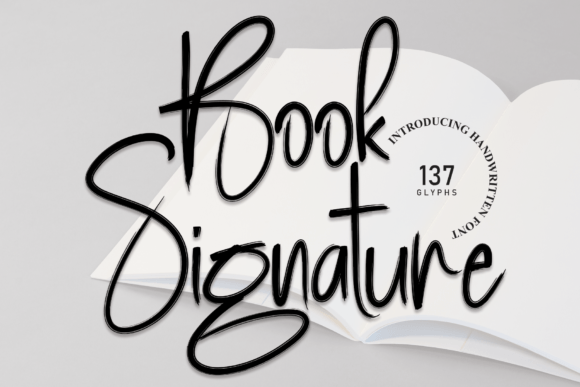
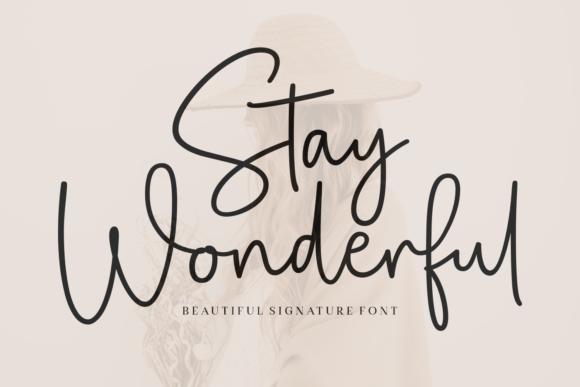
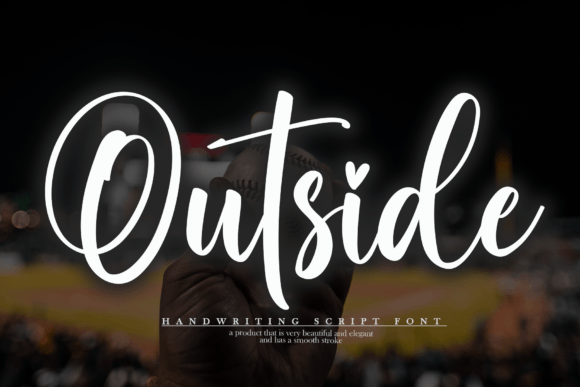
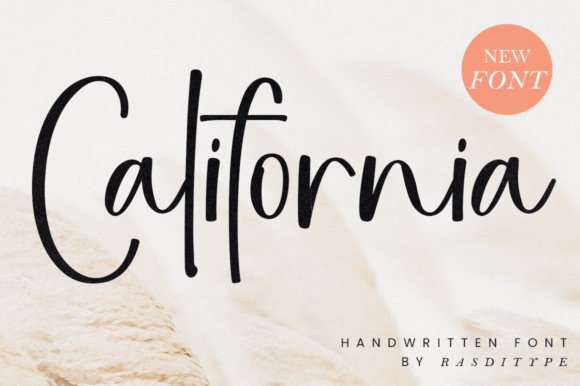
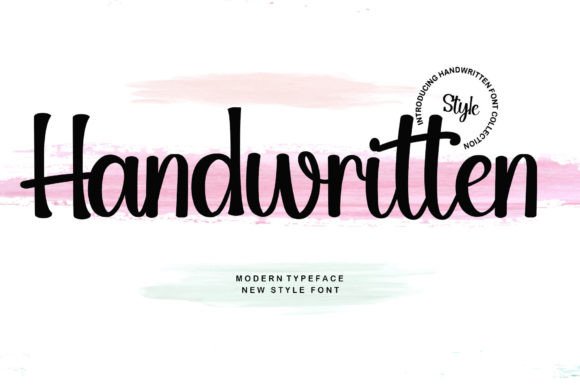
There's a reason handwritten fonts have never gone out of style. They carry a warmth and authenticity that rigid, geometric typefaces simply can't replicate. When you see a script that feels personal—like someone actually sat down and penned it—it creates an instant emotional connection. That's exactly the space where Handwritten lives. This isn't your grandmother's calligraphy, though it clearly nods to that tradition. It's a modern take on a classic art form, blending elegant letterforms with a clean, contemporary sensibility that works beautifully across digital and print projects alike.
What sets Handwritten apart from the sea of script fonts available today is its balance. Many handwritten typefaces lean too far in one direction: either they're so casual they look sloppy, or they're so ornate they sacrifice legibility for flair. Handwritten threads the needle. Each letter feels carefully considered, with consistent stroke weights and natural flowing connections that make extended passages readable while still maintaining that coveted hand-lettered charm. If you've ever struggled to find a script font that looks polished without feeling stiff, this one deserves your attention.
Why Designers and Business Owners Keep Reaching for Script Fonts
Typography is one of the most powerful tools in visual communication, and the fonts you choose say more about your brand than you might realize. A premium font like Handwritten communicates intentionality. It tells your audience that you care about details, that you've thought about the experience you're creating for them. Whether you're a freelance designer building a client's brand identity or a small business owner designing your own packaging, the typeface you select becomes part of your visual DNA.
Consider how often you encounter handwritten-style typography in your daily life. Coffee shop menus. Wedding invitations. Boutique product labels. Instagram stories from your favorite creators. Blog headers that draw you in before you've read a single word. The appeal is universal because it taps into something fundamentally human—the desire for connection and authenticity in a world increasingly dominated by screens and automation.
For brand identity work specifically, a creative font like Handwritten can become a signature element. Think about brands you admire that use script or handwritten typefaces as part of their visual identity. There's often an immediate recognition here, a feeling of familiarity that builds over time. That's the power of consistent typography applied thoughtfully across every touchpoint, from your website to your business cards to your social media graphics.
Practical Applications That Actually Work
Let's get specific about where Handwritten shines, because understanding practical applications matters far more than appreciating a font in isolation.
Logo Design and Brand Marks: Handwritten works exceptionally well for brands that want to project warmth, creativity, or artisanal quality. A bakery, a boutique consultancy, a lifestyle blog, a handmade jewelry line—these are all contexts where a script font feels right at home. The key is pairing it strategically. Use Handwritten for your primary wordmark or a secondary accent element, and balance it with a clean sans serif font for body copy. This contrast creates visual hierarchy and ensures your brand materials remain readable at every size.
Packaging Design: If you're developing product packaging, typography can make or break shelf appeal. Handwritten brings an organic, approachable quality that works beautifully for food and beverage brands, cosmetics, artisan goods, and subscription box designs. Imagine it on a candle label, a craft beer bottle, or a skincare product box. The font's elegant form elevates the perceived value of whatever it's applied to, which is exactly what you want when competing for attention in a crowded marketplace.
Social Media Graphics: Content creators and marketers know that stopping the scroll requires visual impact. Handwritten can serve as a striking headline font for quote graphics, promotional posts, story templates, and carousel designs. Its distinctive character helps your content stand out in feeds dominated by standard sans serif typography. Just be mindful of sizing—script fonts generally need to be set larger than serif or sans serif fonts to remain legible on small screens.
Website and Blog Design: While you wouldn't set an entire blog post in a handwritten font, using it strategically for headers, pull quotes, navigation accents, or call-to-action buttons can add personality to your web design. It creates moments of visual interest that break up the monotony of longer pages and guide readers through your content more engagingly.
Print Materials and Editorial Layouts: From invitations and greeting cards to magazine headers and poster designs, Handwritten adapts beautifully to print contexts. Its clean construction means it reproduces well at various sizes, and the included font styles give you flexibility to create emphasis and variation within a single design. Wedding stationery designers, event planners, and editorial publishers will find it particularly useful for projects that demand elegance without pretension.
Merchandise and Marketing Assets: Tote bags, mugs, t-shirts, stickers—merchandise design thrives on bold, expressive typography. Handwritten brings that expressive quality while remaining versatile enough to work across different product types. For marketing materials like flyers, brochures, and email headers, it adds a human touch that can make corporate communications feel more approachable.
Getting the Most from Your Typography Choices
Choosing the right font is only half the equation. How you use it determines whether your design feels cohesive or chaotic. Here are some practical considerations worth keeping in mind as you work with Handwritten or any premium font in your projects.
Test Your Font Pairings Before Committing: Handwritten is a display font at heart, which means it's designed to draw attention. Pair it with something more understated for body text—a simple sans serif or a clean serif font typically works well. Avoid pairing it with other decorative or script fonts, as competing ornamental styles create visual noise rather than harmony. Spend time experimenting with different combinations at actual sizes you'll use in your project. What looks elegant at 72 points on your monitor might feel cramped or illegible at 14 points in a printed brochure.
Consider Your Audience and Context: A handwritten font communicates specific things. It suggests creativity, warmth, approachability, and personal touch. That's perfect for a yoga studio, a children's brand, or an artisan food company. It might feel less appropriate for a law firm, a financial institution, or a medical practice. Typography should align with the expectations and preferences of your target audience, not just your personal taste. This is where brand strategy intersects with design decisions, and getting it right strengthens your overall brand identity.
Readability Should Always Win: No matter how beautiful a font looks, if people can't read it easily, it's failing at its primary job. Pay attention to letter spacing, line height, and contrast when setting text in Handwritten. Light text on a busy background, tiny sizes on mobile screens, or long passages in script form will all compromise readability. Use it where it has room to breathe—short headlines, accent text, logos, and display applications where its personality can shine without becoming a barrier to comprehension.
Review What's Included: Before starting a project, take time to explore the full character set and any alternate styles included with the font. Many premium fonts come with stylistic alternates, ligatures, and weight variations that can dramatically expand your creative options. Understanding what's available upfront prevents you from overlooking features that could enhance your design.
Licensing Matters for Commercial Work: If you're using Handwritten for client projects, merchandise you plan to sell, or any commercial application, make sure you understand the licensing terms. Most premium fonts offer different license levels depending on usage—desktop, web, app, or extended commercial. Investing in the correct license protects you legally and supports the designers who create the tools you rely on. It's a small cost of doing business that many creatives overlook until it becomes a problem.
Building a Visual Language That Lasts
Trends in design come and go, but thoughtfully chosen typography has remarkable staying power. The handwritten aesthetic isn't a passing fad—it's rooted in centuries of calligraphic tradition, and its modern interpretations continue to resonate because they fulfill a genuine need for human connection in visual communication. A typeface like Handwritten gives you the tools to create that connection while maintaining the professional presentation your projects demand.
Whether you're building a brand from scratch, refreshing an existing visual identity, or simply looking for a versatile script font to add to your design toolkit, the investment in quality typography pays dividends across every project you touch. The fonts you choose become shorthand for your brand's personality. They shape first impressions, influence how long people engage with your content, and contribute to the overall perception of quality and care that separates memorable brands from forgettable ones.
Take the time to experiment. Set real content in Handwritten, not just the quick brown fox. See how it performs with your actual headlines, your real product names, your authentic brand voice. Typography is a design decision best made with intention, and the right font—applied thoughtfully—becomes one of the most valuable design assets in your creative toolkit.