Motcha: The Typeface That Feels Like a Warm Hug
Sometimes, a design project doesn't just need a font; it needs a feeling. It needs that specific warmth you get from a favorite sweater or the gentle aroma of a freshly brewed latte on a quiet morning. This is the space Motcha occupies. It’s not merely a collection of letters but a carefully crafted mood, a visual shortcut to comfort and approachability. Imagine ultra-bold, pillowy letterforms with soft, rounded contours and clean geometry—that’s the heart of this unique display typeface. It balances a heavy, confident presence with a casual, friendly demeanor, making it an extraordinary tool for designers and creators aiming to radiate genuine charm.
The Visual Personality of a Cozy Display Font
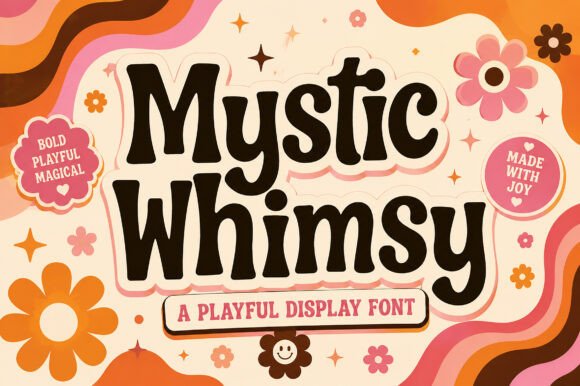
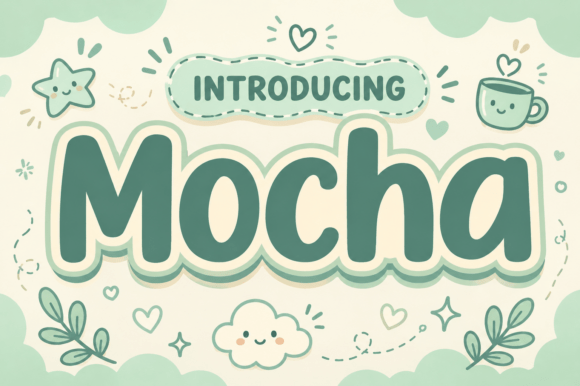
What immediately sets Motcha apart is its distinctive visual treatment. The letterforms themselves are substantial and rounded, designed to feel like soft, three-dimensional objects rather than flat marks on a page. This inherent softness is amplified by its signature presentation: each character is enclosed in a layered, cloud-like sticker outline. The color palette—a harmonious blend of earthy cream and sage green—grounds the design in natural, comforting tones. The result is a typeface that feels less like typography and more like a warm hug from your favorite neighborhood café. This unique personality makes it a standout choice for projects where emotional connection is paramount. It’s a premium font that delivers a sense of professional design mastery combined with legendary aesthetic sweetness.
Where Motcha Truly Shines: Practical Applications
The real test of any creative font is how it performs in the wild. Motcha’s charming character makes it incredibly versatile for specific applications where warmth and approachability are key. Its bold, readable structure ensures it holds its own in both large headlines and smaller supporting text, provided it’s used thoughtfully.
For Branding and Logo Design: A business built on comfort—think artisan bakeries, boutique coffee roasters, children’s clothing lines, or cozy home goods stores—can build an entire visual identity around this typeface. In logo design, Motcha creates an instant emotional connection, signaling friendliness and quality before a customer even reads the name. It helps forge strong brand recognition by being both distinctive and memorable.
In Packaging and Print Materials: Picture Motcha on a bag of gourmet marshmallows, a box of specialty teas, or a line of organic skincare. Its sticker-like quality makes it perfect for packaging design, adding a tactile, artisanal feel. For print materials like posters, flyers, or invitations for a rustic-themed event, it injects a dose of playful sophistication. It’s also an excellent choice for children’s book titles or charming social media headers, where its inviting nature can capture attention in a crowded feed.
Across Digital and Editorial Landscapes: While it’s a display font meant for impact, Motcha can be a secret weapon in digital design. Use it for standout website headlines, blog post titles, or call-to-action buttons to guide the user’s eye with gentle authority. In editorial design, it can set the tone for a lifestyle magazine feature or a cookbook chapter opener. For digital products like planners, worksheets, or social media templates, it adds a professional yet personal touch that enhances user engagement.
Integrating Motcha into Your Design Workflow
Adopting a new typeface like Motcha into your toolkit is about more than just liking how it looks. It’s about understanding how to use it effectively to achieve your project goals and maintain visual consistency.
Font Pairing is Everything: A bold, personality-rich display font like Motcha needs the right partners. It typically pairs beautifully with a clean, simple sans serif font for body text. Think of pairing it with a modern, geometric sans serif for a balanced, contemporary feel, or with a classic serif for a more refined, editorial contrast. The key is to let Motcha be the star of headlines while the supporting typeface ensures readability for longer passages. Always test your font pairings in context to see how they interact visually.
Readability Considerations: Because of its ultra-bold weight and decorative outline, Motcha is best suited for short-form text—headlines, logos, slogans, and pull quotes. For paragraphs of body copy, a simpler, more traditional typeface will ensure your message is read with ease. Use Motcha strategically to draw attention and convey emotion, not for dense information.
Review Your Assets: When you license a premium font, take the time to review all the included styles and characters. Does it come with multiple weights? Are there alternate characters, ligatures, or stylistic sets that can add even more custom flair to your designs? Understanding your full asset library allows for greater creative flexibility and helps you avoid needing supplementary design assets later.
Making the Right Choice for Your Project
Choosing the right font is a strategic decision. Ask yourself: What is the core emotion of this project? Who is my audience, and what do I want them to feel? If the answers involve words like “cozy,” “friendly,” “playful,” “artisanal,” or “inviting,” then a typeface like Motcha is worth serious consideration. Its ability to convey comfort and gentle charm is a powerful tool in visual communication.
Finally, always consider the commercial licensing of the fonts you use. Ensure the license covers your intended use, whether for a single client project, unlimited commercial work, or merchandise. This professional diligence protects you and your clients, ensuring your beautiful designs are built on a solid, legal foundation. In the end, Motcha isn’t just a font; it’s a design asset that can help build a memorable, emotionally resonant brand identity, one soft, comforting letter at a time.