Why Newspaper Font is a Designer's Secret Weapon for Visual Impact
There's a certain magic in how typography can instantly evoke a mood, a time period, or a feeling. You know it when you see it—a vintage diner menu that feels authentically retro, a concert poster that crackles with energy, or a boutique brand that exudes effortless cool. Often, that magic isn't just in the layout or the imagery, but in the carefully chosen typeface that anchors the entire design. If you've been searching for a typeface that blends classic charm with modern versatility, the Newspaper display font might just be the creative asset you didn't know you needed.
A Typeface with Character and Clarity
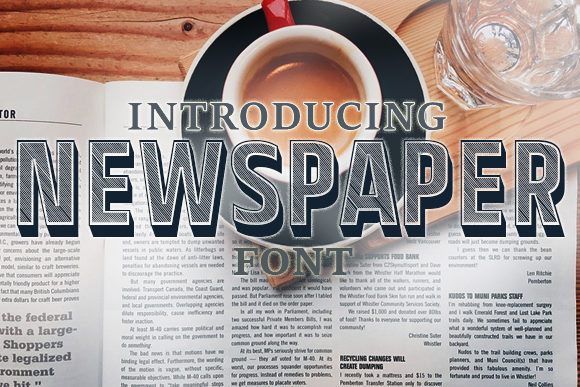
At its core, Newspaper is a serif display font, but that simple classification doesn't do it justice. What sets it apart is its distinctive personality. It carries the authoritative, structured feel of traditional serif typefaces—the kind you'd see in old broadsheet headlines—but with a contemporary, stylish twist. The letterforms are crafted with a sense of deliberate artistry; there's a beautiful contrast between thick and thin strokes, elegant serifs that ground each character, and subtle quirks that give it a unique voice. It avoids feeling stuffy or overly formal, instead striking a balance that makes it both eye-catching and approachable.
This balance is crucial for practical design work. A purely decorative font might look stunning in a logo mockup but fall apart in a paragraph. Newspaper, however, is designed to be a workhorse in the display category. Its clarity at larger sizes makes it ideal for headlines, titles, and short bursts of text where you need to make an immediate impact. The characters are well-spaced and legible, ensuring that your message isn't lost in stylistic flourishes. For any designer or business owner, this means you can rely on it to communicate clearly while still making a strong visual statement.
From Menus to Marketing: Where This Font Shines
Think about the projects where first impressions are everything. A food menu needs to be not only informative but also enticing; the typography should complement the cuisine and the restaurant's ambiance. Newspaper excels here, offering a stylish yet readable option for dish names, descriptions, and section headers. Its classic feel can lend a sense of tradition to a bistro, while its modern edges work perfectly for a trendy gastropub. The same principle applies to posters and flyers. Whether you're promoting a local theater production, a weekend market, or a grand opening, this font grabs attention from across the room.
Beyond print, its applications are surprisingly broad in the digital realm. Consider brand identity. A logo set in Newspaper can convey heritage, quality, and a touch of personality—ideal for artisan brands, boutique agencies, or any business wanting to stand out with a memorable mark. For social media graphics, where you have mere seconds to stop a scroll, a bold headline in this typeface can be the difference between being ignored and being engaged. It's equally effective for website headers, blog post titles, and email newsletter banners, providing a consistent visual thread across all your digital touchpoints.
For entrepreneurs creating product packaging, the font adds a layer of perceived value. Imagine a coffee bag, a bottle of craft beer, or a box of artisan chocolates; the typography tells a story before the product is even tasted. Newspaper can help craft that story of craftsmanship and care. It's also a fantastic choice for invitations, event programs, and editorial layouts in magazines or lookbooks, where setting a specific tone is paramount.
Practical Tips for Integrating Newspaper into Your Workflow
Choosing a font is one thing; using it effectively is another. Here’s some practical advice for getting the most out of Newspaper in your projects.
Understand Its Personality: Before you even open your design software, consider the mood you're trying to create. Newspaper has a confident, slightly vintage-modern vibe. It's perfect for projects that aim to feel established, stylish, or thoughtfully curated. If your brand is ultra-minimalist and starkly modern, it might create an interesting contrast, but ensure that contrast is intentional and aligns with your overall brand strategy.
Master the Art of Font Pairing: A display font rarely works alone. Newspaper pairs beautifully with clean, simple sans-serif fonts for body text. Think of fonts like Open Sans, Lato, or Montserrat. The simplicity of the sans-serif provides a perfect counterbalance, ensuring your body copy remains highly readable while your headlines in Newspaper command attention. For a more classic or editorial feel, you could also pair it with a traditional serif for longer text, but be mindful of hierarchy—use Newspaper for the primary headline and the other serif for subheads or pull quotes.
Test for Readability in Context: Always test the font in the specific environment where it will be used. Print out a sample at the size it will appear on a poster. View it on a mobile phone screen for a social media graphic. Check how it renders in different colors and against various backgrounds. A font that looks great on your design monitor might lose detail on a small, glossy business card or become hard to read when reversed out (white text on a dark background). These real-world tests are non-negotiable for professional results.
Explore the Included Styles: A quality premium font often comes with more than one style. Check to see if the Newspaper font family includes variations like bold, italic, or condensed versions. Having these additional styles at your disposal expands your creative toolkit, allowing you to create more nuanced typographic hierarchies within a single project while maintaining perfect visual consistency.
Building a Cohesive and Professional Brand Identity
Consistency is the bedrock of brand recognition. When you use the same core typeface across your logo, website, packaging, and marketing materials, you create a subconscious visual familiarity for your audience. Newspaper, with its strong character, can become a cornerstone of that identity. Its distinctive look helps your brand stand out in a crowded marketplace. People might not remember your exact tagline, but they will remember the overall feel of your design—and typography is a huge part of that feeling.
This isn't just about aesthetics; it's about strategic communication. The right typeface does a lot of the heavy lifting in conveying your brand's values. Are you traditional yet innovative? High-quality yet accessible? The Newspaper font, with its blend of classic and contemporary, can help communicate those nuanced messages visually. It moves beyond being just a "creative font" and becomes a tool for building trust and professionalism.
Finally, always be mindful of licensing. If you're using a font for commercial projects—for a client's business, for merchandise you sell, or for marketing assets for your own company—ensure you have the correct commercial license. This is a critical step that protects you legally and supports the type designers who create these valuable assets. Investing in a properly licensed font is an investment in your brand's professionalism and longevity.
In the end, the best typeface for your project is the one that aligns with your goals and resonates with your audience. Newspaper offers a compelling combination of style, versatility, and practicality that makes it a worthy addition to any designer's or entrepreneur's toolkit. It’s more than just letters on a page; it’s a voice, a mood, and a powerful tool for visual storytelling. So, the next time you're staring at a blank canvas, consider letting this typeface set the tone—you might be surprised at the endless possibilities it unlocks.