Deguland: The Handwritten Font That Feels Like a Friend's Note
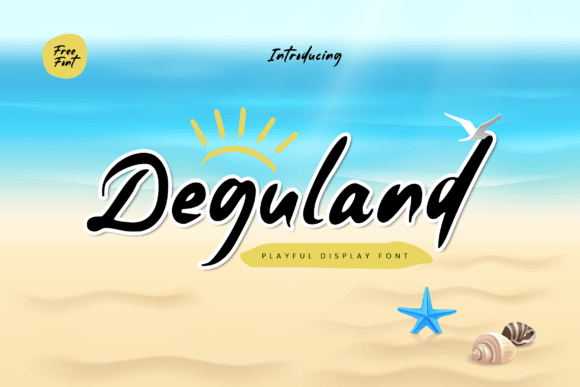
You know that feeling when you stumble across something that just clicks? That's what happened when I first encountered Deguland. It's this display font built from marker handwriting, and honestly, it changed how I approach certain projects. There's a warmth to it that most digital typefaces miss—it looks like someone actually sat down and wrote something with care, not like a computer tried to mimic humanity.
I've been designing for about twelve years now, working with small brands, indie magazines, and online creators. One thing I've learned is that fonts carry emotion. A stiff corporate typeface says something completely different than a relaxed handwritten one. Deguland sits in that sweet spot where casual meets intentional. It doesn't look sloppy or amateurish. It looks personal, like a note left on your kitchen counter or a message scrawled on a coffee shop chalkboard.
Why Marker-Style Handwriting Works So Well in Design
Marker fonts get a bad reputation sometimes. People associate them with craft projects or children's birthday invitations. But when done right—when the letterforms have personality without sacrificing legibility—they become incredibly versatile design assets. Deguland nails this balance. The strokes feel natural, like someone picked up a real marker and wrote without overthinking it. Yet the consistency across characters tells you a professional crafted this typeface.
Think about the brands you love that feel approachable. Many of them use handwritten or hand-lettered elements somewhere in their visual identity. It humanizes them. When you see a logo or social media post written in a font like Deguland, you don't feel like you're being marketed to. You feel like someone is talking to you. That's powerful for small business owners, content creators, and anyone trying to build genuine connections with their audience.
Real Projects Where This Typeface Shines
Let me walk you through some practical applications I've seen work beautifully with fonts in this category—and specifically where Deguland fits naturally.
Branding and Logo Design
If you're building a brand identity for something lifestyle-oriented—a bakery, a boutique clothing line, a wellness studio, a podcast about creativity—a handwritten display font becomes your best friend. Deguland works as a primary logotype or as a secondary element paired with a clean sans serif font. The key is matching the font's energy to your brand's voice. If your business feels warm, personal, and handmade, this typeface communicates that instantly.
Packaging Design
Walk into any specialty grocery store and look at the labels. The products that catch your eye often use handwritten or script-style typography. It signals craft, care, and authenticity. Whether you're designing labels for artisan candles, small-batch sauces, or handmade soaps, Deguland brings that artisan quality to your packaging without looking generic.
Social Media Graphics
Here's where I see Deguland absolutely thriving. Instagram stories, quote graphics, Pinterest pins, TikTok overlays—these platforms reward content that feels human. A perfectly typeset serif font looks beautiful, but sometimes it creates distance. A font like Deguland pulls people in. Use it for motivational quotes, announcements, sale graphics, or behind-the-scenes captions. It photographs well and reads clearly even at smaller sizes on mobile screens.
Merchandise and Print Materials
T-shirts, tote bags, mugs, stickers—merchandise with personality sells better than merchandise that looks corporate. Deguland brings that playful, approachable quality that makes someone actually want to wear your shirt or stick your sticker on their laptop. For print materials like postcards, flyers, and event invitations, the font adds character without overwhelming the layout.
Websites, Blogs, and Digital Products
Web design benefits from thoughtful font pairing, and Deguland works beautifully as an accent typeface. Use it for headings on a blog, section titles on a landing page, or call-to-action phrases in email graphics. It pairs well with both serif and sans serif body text, creating visual contrast that keeps readers engaged. If you sell digital products—ebooks, templates, online courses—a handwritten font in your design materials signals creativity and approachability.
Making Deguland Work Across Different Design Contexts
One thing I always tell people is that no font works everywhere. Context matters. Deguland is a display font, which means it's designed for impact at larger sizes—headlines, titles, logos, featured text. You wouldn't set an entire paragraph of body copy in a marker-style handwritten font. Your readers' eyes would tire quickly.
Instead, think of Deguland as your headline specialist. Pair it with a readable serif font or a neutral sans serif for longer text blocks. This contrast creates visual hierarchy, guiding your audience's attention exactly where you want it. A blog post title in Deguland followed by clean body text in something like a modern sans serif? That's a professional presentation that also feels approachable.
Readability is always worth testing before you commit. Print a sample at the actual size you'll use. View it on your phone. Ask someone unfamiliar with your project to read it. If they struggle, adjust the size, spacing, or context. Handwritten fonts sometimes need a little breathing room—slightly increased letter spacing can make a huge difference in clarity.
Choosing the Right Font for Your Project Goals
Before selecting any typeface—Deguland or otherwise—get clear on what your project needs to communicate. Are you going for playful? Sophisticated? Rebellious? Minimalist? The font you choose should reinforce your message, not fight against it.
Ask yourself these questions:
- Who is my audience, and what visual language resonates with them?
- Where will this design live—print, screen, merchandise, or all three?
- What other design elements will accompany this font—photography, illustrations, colors?
- Does the font include the character sets and styles I need?
- Will I need a commercial license for client work or product sales?
That last point matters more than people realize. Always check licensing terms before using any premium font in commercial projects. Most quality typefaces, including well-crafted display fonts like Deguland, come with clear licensing agreements. Read them. Understand whether you're covered for merchandise, digital products, client work, or print runs above certain quantities. This protects you legally and ensures the designer who created the font gets fairly compensated.
Font Pairing Strategies That Actually Work
Pairing fonts is part art, part experimentation. With Deguland, you want a complementary partner that doesn't compete for attention. Here are some approaches I've found effective:
Deguland + Clean Sans Serif
This is probably the safest and most versatile combination. The handwritten display font handles headlines and featured text while a modern sans serif covers body copy, captions, and supporting information. The contrast feels balanced and contemporary.
Deguland + Classic Serif
For editorial layouts, blog designs, or anything with a storytelling angle, pairing a handwritten font with a traditional serif creates an interesting tension between casual and formal. It works especially well for lifestyle brands, magazines, and content-heavy websites.
Deguland + Minimal Sans Serif + Accent Script
For more complex designs—like wedding invitations, event branding, or multi-layered social media graphics—sometimes three typefaces work together. Use Deguland for the main headline, a minimal sans serif for details, and a delicate script font for accent phrases. Keep the color palette cohesive to prevent visual chaos.
Whatever pairing you choose, test it in context. Mock up your actual design rather than just looking at fonts side by side in a preview window. Typography behaves differently when it's surrounded by images, colors, and whitespace.
Building Visual Consistency Across Your Brand
One of the biggest advantages of committing to a specific typeface for your brand is consistency. When your audience sees the same visual language across your website, social media, packaging, and marketing materials, they start recognizing you instantly. That recognition builds trust. Trust builds loyalty.
Deguland can become a signature element of your brand identity if it aligns with your personality. Use it consistently across touchpoints—your Instagram highlights, your email headers, your product tags, your website banners. Over time, people will associate that font style with your brand before they even read the words. That's the power of thoughtful typography in modern design.
The font itself is just one piece of the puzzle, though. Pair it with consistent colors, imagery, and messaging. A handwritten font alone won't build a brand, but combined with strategic visual choices, it becomes a memorable part of your identity that audiences connect with on a human level.
Whether you're a designer exploring new typefaces for client projects, an entrepreneur refreshing your brand, or a hobbyist creating something personal, Deguland offers that rare combination of personality and polish. It feels handmade without looking messy. It stands out without shouting. And in a landscape full of overused fonts and templated designs, having something that feels genuinely fresh makes all the difference.