Wish Good: A Handwritten Font for Modern Creators
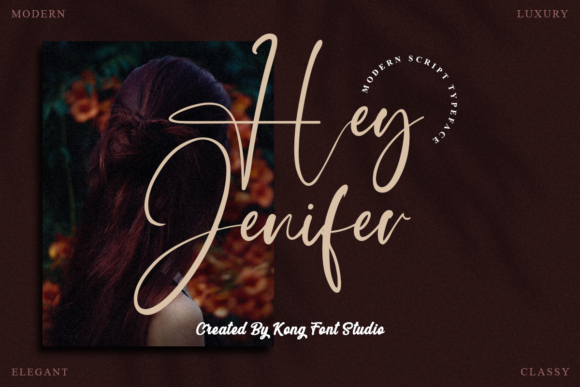
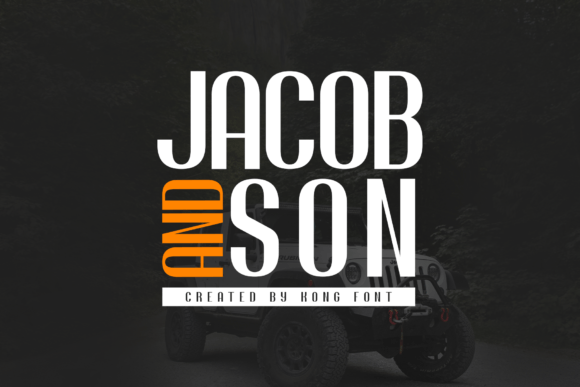
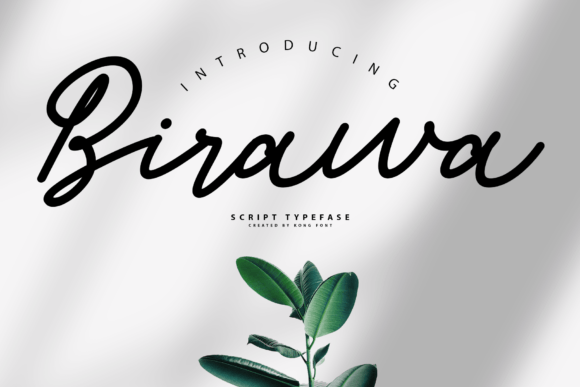
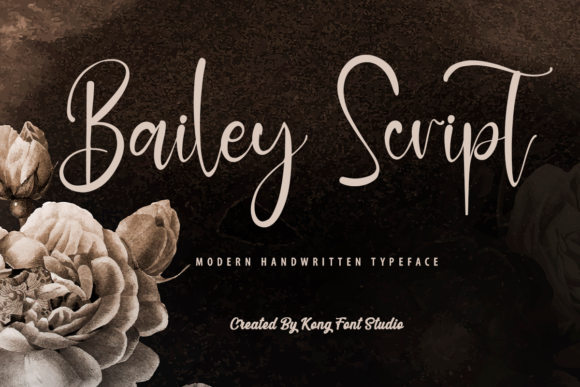
There’s a certain magic in a design that feels personal. In a world saturated with clean, corporate sans-serifs, a touch of handcrafted warmth can make a brand, a social post, or an invitation instantly memorable. This is where a typeface like Wish Good enters the conversation. It’s not just another script font; it’s a design asset built for projects that need to feel approachable, energetic, and distinctly human. Created by Kong Font Studio, this modern handwritten font bridges the gap between playful spontaneity and professional utility, making it a versatile tool for anyone from a solo entrepreneur to a seasoned designer.
The Personality Behind the Letters
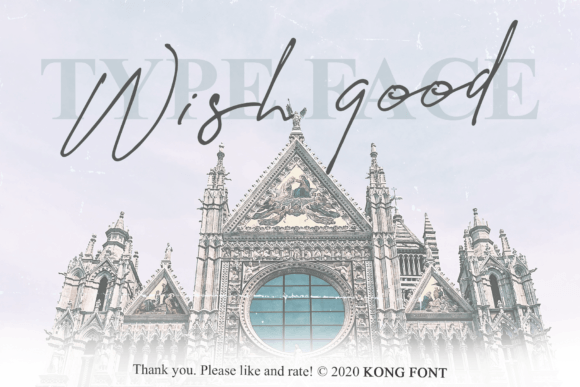
What sets Wish Good apart is its balanced personality. It carries the fluid, organic strokes of a genuine handwritten font, but it’s been refined with a modern sensibility. The letterforms are consistent and legible, avoiding the overly messy or casual look that can undermine a brand’s credibility. This careful design means it feels authentic without sacrificing clarity. The playfulness is its superpower—it injects energy and approachability into any layout. Think of it as the typographic equivalent of a friendly, confident smile in a professional setting. It’s a premium font that doesn’t take itself too seriously, which is often exactly what a project needs to connect with an audience.
From Screen to Stitch: Real-World Applications
The true test of any creative font is how it performs across different mediums. Wish Good’s versatility is one of its strongest features. For logo design and brand identity, it can become the cornerstone of a brand that wants to appear friendly, creative, and customer-focused. Imagine it on a bakery’s logo, a boutique clothing tag, or the branding for a craft workshop—it immediately sets a welcoming tone.
Beyond logos, its utility expands dramatically:
- Packaging Design: Use it for product names or descriptive text on labels for artisan goods, cosmetics, or food items to convey a handmade, quality feel.
- Social Media Graphics: Stand out in a crowded feed. Wish Good is perfect for Instagram quotes, Facebook ad headlines, or Pinterest pins where stopping the scroll is key. Its readability at various sizes makes it a workhorse for social media graphics.
- Digital and Print Products: From digital planners and printable wall art to wedding invitations and greeting cards, this typeface adds a personal touch that generic fonts lack. It’s also compatible with popular design and cutting tools like Silhouette Design Studio, making it a favorite among crafters for physical projects.
- Editorial and Web Design: Use it sparingly but effectively in blog headers, pull quotes, or section titles in an editorial layout to break up text-heavy pages and add visual interest. On a website, it can highlight key calls-to-action or feature headlines.
Pairing for Professional Polish
Using a script or handwritten font as your sole typeface is rarely a good idea. The key to leveraging Wish Good effectively is in the font pairing. Its playful nature means it pairs beautifully with clean, simple fonts that provide contrast and ensure overall readability.
A classic and safe strategy is to combine it with a neutral sans serif font. The sans serif can handle body copy, navigation, or smaller text, while Wish Good commands attention in headlines or logos. For example, pairing it with something like Open Sans, Lato, or Montserrat creates a harmonious balance between whimsy and structure.
For a more sophisticated or editorial look, consider pairing it with a traditional serif font. The contrast between the fluid script and the structured serifs can create a dynamic and high-end feel, perfect for magazine layouts or luxury brand materials. The rule of thumb is to let Wish Good be the star of the show in limited, high-impact moments, supported by a quieter, more readable counterpart.
Practical Considerations Before You Commit
Before integrating any new typeface into your workflow, a few practical checks are essential. First, test the font in context. Don’t just look at the alphabet on a font preview site. Type out the actual words and phrases you’ll be using. Check the kerning (space between letters) and ensure ligatures or alternate characters (if included) work as expected for your specific text.
Second, review the included styles and glyphs. A well-designed script font often comes with stylistic alternates, swashes, or multiple weights. Understanding what’s in the font package allows you to maximize its potential and avoid surprises during a project. For instance, knowing how the uppercase letters connect to lowercase ones is crucial for fluid typographic composition.
Finally, understand the license. This is non-negotiable for commercial use. Whether you’re a small business owner creating merchandise or a designer working for a client, you must ensure the font’s license covers your intended use. Kong Font Studio, like other reputable foundries, provides clear licensing terms. Using a font correctly protects your project and respects the creator’s work.
A Tool for Connection
Ultimately, typography is about communication. The right typeface does more than spell words; it conveys emotion, sets a mood, and builds a subconscious connection with the viewer. Wish Good excels in this role for projects that aim to feel human, creative, and engaging. It’s a design asset that can elevate a small business’s branding, give a content creator’s visuals a unique signature, or add a layer of warmth to a marketing campaign. By understanding its personality and applying it with thoughtful pairings and clear purpose, you can harness its playful energy to create designs that truly resonate.